0
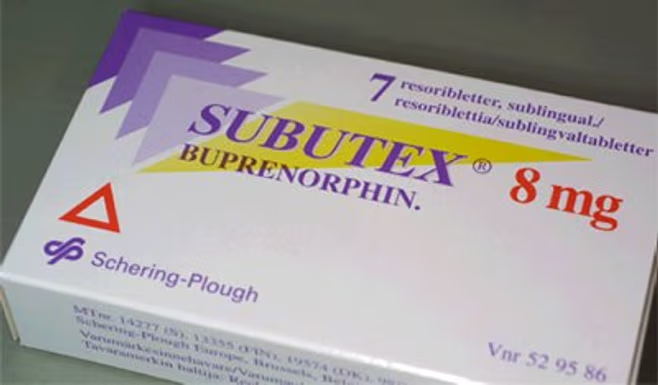
Buprenorphine: Uses, Treatment, Safety and Important Information
Buprenorphine is a prescription medication used primarily to treat opioid use disorder (OUD) and, in certain formulations, to manage pain. As a partial opioid agonist, it acts on opioid receptors in the brain and can help reduce opioid cravings and withdrawal symptoms.
For people researching buprenorphine treatment, understanding how the medication works, its approved uses, available formulations, potential side effects, and safety precautions is essential. should only be used under the guidance of a qualified healthcare professional.
What Is Buprenorphine?
is a prescription opioid medication with a distinctive pharmacological profile. Unlike full opioid agonists, is a partial opioid agonist, meaning it activates opioid receptors but has a ceiling effect on some opioid effects.
This makes an important medication in evidence-based treatment for opioid use disorder. It may help patients manage cravings and withdrawal while participating in a structured recovery program.
What Is Buprenorphine Used For?
The primary medical use of is the treatment of opioid use disorder. Certain formulations are also approved for pain management.
Depending on the formulation and treatment plan, may help:
- Reduce opioid cravings
- Reduce withdrawal symptoms
- Support recovery from opioid use disorder
- Maintain stability during treatment
- Manage certain types of pain
The appropriate formulation depends on the patient’s medical needs and should be determined by a healthcare professional.
Buprenorphine for Opioid Use Disorder
Medication treatment can be an important part of recovery from opioid use disorder. may help reduce cravings and withdrawal symptoms, allowing patients to focus on recovery and other aspects of treatment.
Treatment should be individualized. A clinician considers factors such as current opioid use, medical history, other medications, and previous treatment before determining an appropriate treatment plan.
Why Professional Guidance Matters
Starting ng time can cause precipitated withdrawal, in which withdrawal symptoms become suddenly worse. Patients should therefore follow their healthcare professional’s instructions regarding when and how treatment begins.
How Does Buprenorphine Work?
binds strongly to opioid receptors in the brain. Because it is a partial opioid agonist, it can reduce cravings and withdrawal symptoms while generally producing a less intense opioid effect than full opioid agonists.
Its strong receptor binding is also one reason healthcare professionals carefully consider the timing of treatment initiation.
Common Buprenorphine Forms
is available in different prescription formulations. Depending on the country and indication, formulations may include:
- Sublingual tablets
- Sublingual or buccal films
- Transdermal patches
- Long-acting injectable formulations
Different formulations are approved for different medical purposes. Patients should use only the formulation prescribed for them.
Buprenorphine Side Effects
Possible side effects of can include:
- Headache
- Nausea
- Vomiting
- Constipation
- Dizziness
- Drowsiness
- Sweating
- Dry mouth
Not everyone experiences the same effects. Patients should contact their healthcare professional if side effects become severe, persistent, or concerning.
Buprenorphine Safety Information
Although has an important role in medical treatment, it remains an opioid medication and can cause serious complications when used incorrectly.
Combining with alcohol, benzodiazepines, or other central nervous system depressants can increase the risk of excessive sedation and potentially life-threatening respiratory depression.
Tell your doctor or pharmacist about all medications, supplements, and substances you use before beginning treatment.
Never use another person’s prescription, take more than prescribed, or change your treatment schedule without professional advice.
Buprenorphine and Naloxone
Some medications used to treat opioid use disorder contain and naloxone together.
This combination is widely used in medication-assisted treatment and is designed to support treatment while helping discourage certain forms of misuse.
The appropriate medication depends on the patient’s individual circumstances and the healthcare professional’s assessment.
Can Buprenorphine Cause Dependence?
can cause physical dependence because it is an opioid medication. Physical dependence does not automatically mean a person has an opioid use disorder.
Stopping suddenly after regular use may result in withdrawal symptoms. If treatment needs to be discontinued, a healthcare professional can advise on the safest approach.
Who Should Consider Buprenorphine Treatment?
People experiencing opioid use disorder should speak with a qualified healthcare professional about evidence-based treatment options.
A clinician may evaluate:
- Current opioid use
- Medical history
- Other medications
- Previous treatment
- Liver function
- Pregnancy or breastfeeding
- Risk factors for respiratory depression
- Other health conditions
This assessment helps determine whether is appropriate.
How to Get Buprenorphine Safely
If you are searching for buprenorphine treatment, the safest approach is to obtain it through a licensed healthcare professional and an authorized pharmacy or treatment provider.
Avoid websites offering prescription opioids without appropriate medical evaluation or prescription requirements. Product authenticity, correct formulation, dosage, and patient-specific safety considerations are important.
Before obtaining any prescription medication, verify that the provider is properly licensed and follows the regulations applicable in your country.
Frequently Asked Questions About Buprenorphine
What is buprenorphine used for?
is primarily used to treat opioid use disorder and is also used in certain formulations for pain management.
Is buprenorphine a prescription medication?
Yes. is a prescription medication, and requirements for prescribing and dispensing it vary by country.
Can buprenorphine reduce opioid cravings?
Yes. As part of treatment for opioid use disorder, buprenorphine can help reduce cravings and withdrawal symptoms.
Can I take buprenorphine with alcohol?
Combining with alcohol can increase the risk of dangerous sedation and breathing problems. Speak with a healthcare professional before combining medications or substances.
Can buprenorphine cause withdrawal?
Yes. Physical dependence can develop with regular use, and stopping treatment suddenly can cause withdrawal symptoms.
How do I know which buprenorphine formulation is right for me?
A qualified healthcare professional should determine the appropriate formulation based on your medical condition, treatment goals, other medications, and individual circumstances.
Final Thoughts on Buprenorphine
Buprenorphine is an important prescription medication used in evidence-based treatment for opioid use disorder and, in selected formulations, pain management. It can help reduce cravings and withdrawal symptoms when used correctly and under appropriate medical supervision.
If you are considering buprenorphine treatment, speak with a qualified healthcare professional or licensed pharmacy to determine the appropriate and safe treatment option.
Medical Disclaimer: This article is intended for educational purposes only and does not replace professional medical advice. is a prescription medication. Do not start, stop, or change treatment without guidance from a qualified healthcare professional.